Lining fabric is a fundamental auxiliary textile material widely adopted in formal apparel, workwear and outerwear manufacturing, specifically designed as inner lining accessories for suits, work uniforms and various tailored garments. Characterized by ultra-light weight, exceptional softness and fine smooth texture, this fabric differs significantly from outer shell materials that prioritize wear resistance and styling definition. As an invisible inner layer, it focuses on optimizing wearing comfort, improving garment internal structure and enhancing overall finished garment quality, making it an essential supporting material in high-quality garment tailoring and standardized bulk apparel production. Its unique soft and lightweight properties effectively solve common wearing pain points such as stiff touch, stuffiness and tight fitting brought by thick outer fabrics.
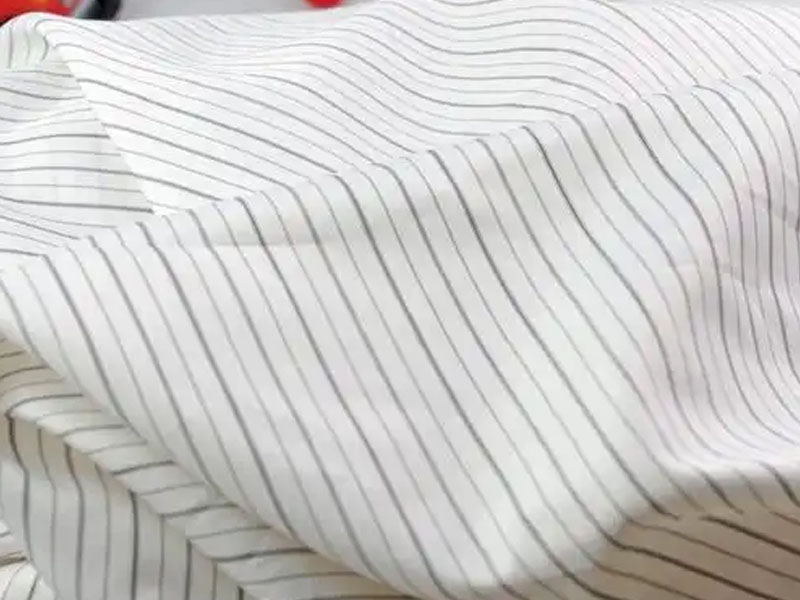
The most prominent advantages of professional lining fabric are its lightweight texture and skin-friendly soft performance. Adopting fine weaving technology and optimized fiber matching, the fabric features a thin, delicate and uniform weave structure without bulky texture or hard hand feel. Compared with ordinary thick auxiliary fabrics, it brings zero-burden wearing experience, perfectly fitting the inner layer design logic of suits and workwear. For formal suits with strict tailoring requirements, the soft lining fabric can smooth the inner clothing lines, eliminate the rough sense of outer fabric stitching, and prevent the hard shell fabric from directly rubbing against the skin. It effectively improves the overall smoothness and delicacy of the garment, while maintaining the suit’s neat three-dimensional silhouette without causing bloating or deformation. For long-sleeve formal wear and uniforms worn for a long time, its excellent flexibility and softness ensure free limb movement and comfortable close-fitting experience throughout daily work and social scenarios.
In terms of functional practicality, high-quality lining fabric is equipped with excellent smoothness, air permeability and dimensional stability, fully adapting to the wearing characteristics and maintenance needs of suits and engineering workwear. The smooth surface greatly reduces friction between the garment and inner clothes or human skin, allowing wearers to put on and take off suits and work uniforms more easily. It also avoids static adhesion and awkward tightening during body movement, greatly improving the overall wearing flexibility. Meanwhile, the fabric maintains proper air permeability while being lightweight, effectively accelerating air circulation inside the garment, reducing stuffiness and sultry heat during long-hour wearing, and improving daily wearing comfort. In addition, this lining material features low shrinkage, good wrinkle resistance and stable shape retention. It will not deform, shrink or wrinkle after repeated washing and long-term wearing, effectively protecting the outer garment structure, preventing inner layer displacement, and extending the service life of finished suits and workwear.
In terms of core application scenarios, lining fabric is highly targeted at suit formal wear and industrial workwear, covering most tailored structured garments that require inner lining optimization. In business apparel fields, it serves as the standard inner lining for formal business suits, suit jackets, blazers and formal waistcoats, helping shape elegant and professional business dressing styles while enhancing wearing comfort. In the industrial and labor protection apparel industry, it is widely used as inner auxiliary material for factory work clothes, tooling uniforms and functional work jackets. It optimizes the internal wearing experience of relatively stiff and thick workwear, balances the structural firmness and wearing softness of work uniforms, and meets the long-term and high-frequency wearing needs of front-line workers. With ultra-light texture, superior softness, stable quality and strong garment compatibility, this professional lining fabric has become an indispensable core auxiliary material in formal wear and workwear manufacturing industry, perfectly supporting the dual requirements of garment styling and wearing comfort.