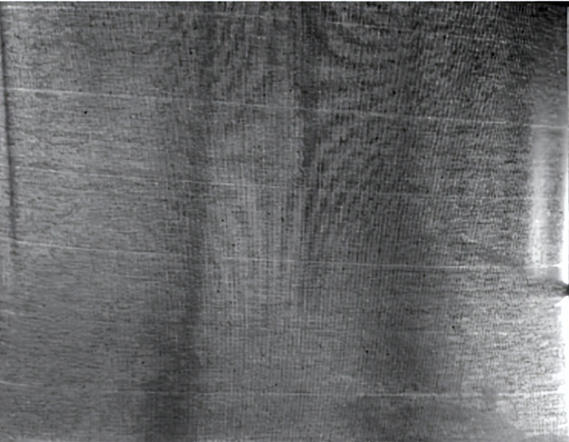

During the production of woven fabrics, a series of processes ranging from raw material preparation, carding, drawing, to sizing and more all affect the final condition of grey fabric. Streak mark is a highly frequent and widely-spread visual defect, and also one of the core issues troubling textile enterprises in quality control.
Fabric streak marks refer to regular or irregular striped traces distributed along the warp or weft direction on the fabric surface, with varying color depth and width. They have no obvious uneven texture to touch, yet show remarkable differences in color shade and yarn density visually, which severely impair the flatness, color uniformity and overall texture of the fabric. This defect widely exists in various fabrics including pure cotton, chemical fiber and blended textiles. Minor cases lead to fabric downgrade, while severe ones result in rejection of the entire batch, directly affecting production yield and corporate economic benefits. Accurately identifying the root causes of streak marks and establishing a systematic prevention and control system is critical to improving quality and efficiency in textile production.
As early as in the ancient linen and silk weaving era, people found that untreated natural fibers were loose, covered with messy fuzz and low in tenacity. They were prone to fuzzing, breakage and tangling during weaving, making smooth production impossible. To tackle this problem, ancient people first applied natural adhesives such as natural starch, bone glue and oxhide glue to warp yarns for shaping, which marked the embryonic form of the sizing process.
Sizing machine is the core shaping equipment before warp weaving. It completes the whole workflow of warp impregnation, squeezing, drying, splitting and winding, directly determining sizing uniformity. It serves as key equipment to effectively reduce sizing-induced streak marks and warp streaks.
Sizing cannot fix the inherent yarn evenness defects of the original yarn; it can only unify the surface film, fuzz and tension of yarns. Uneven sizing will introduce additional irregularity, further amplify original yarn evenness issues and worsen streak mark defects on fabric.
Our factory has achieved new breakthroughs in sizing technology, with remarkably improved control over streak marks. Streak marks cannot be completely eliminated, yet we are able to limit them to an extremely low level. This represents not only technological advancement, but also innovations and breakthroughs from our skilled workers.
From its origin to continuous upgrades, sizing has maintained the same core objective: to compensate for inherent defects of raw yarns, though it cannot alter the yarn evenness itself. It unifies the overall performance of warp yarns to meet weaving requirements. From ancient manual sizing for yarn breakage prevention to modern intelligent sizing for streak mark control, all technical upgrades aim to achieve extreme uniformity in warp tenacity, abrasion resistance, tension and stiffness based on original yarn evenness, and ultimately deliver woven fabrics with smooth surface, consistent texture and stable quality.